

20 Oct 2026
What you need to know about consumers before developing and launching a new product
Developing a new product involves making decisions about which need to address, who to target,...

14 Oct 2026
Concept test: validate a product idea before investing in its development
An idea may seem attractive internally and yet fail to generate the same interest in...

13 Oct 2026
The European Parliament proposes a regulatory learning phase for novel foods
EU legislation on novel foods is based on an essential rule: they cannot be placed...
Subscribe to our newsletter and discover all the latest news
Receive the latest updates on innovation, technology and trends directly in your inbox.

07 Oct 2026
Diet, microbiota and brain: a developing line of research
What relationship exists between what we eat, the microorganisms that inhabit our gut and processes...
05 Oct 2026
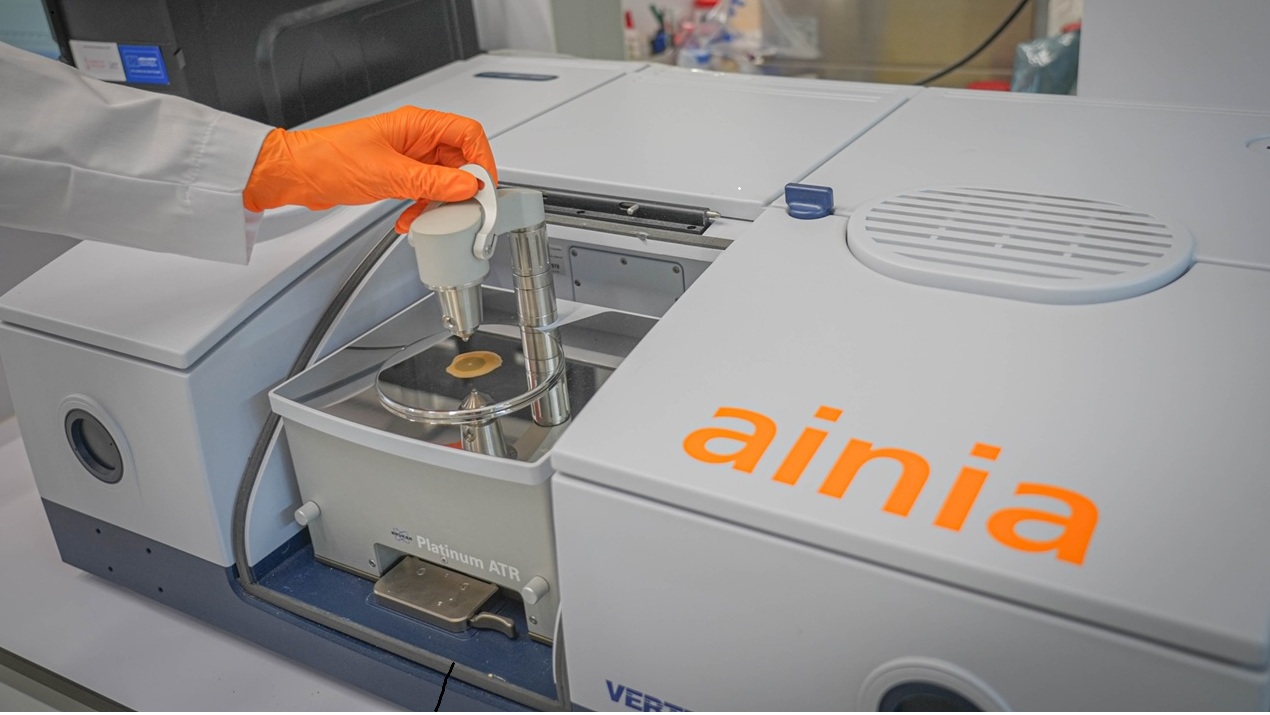
AINIA promotes 6 new R&D&I projects in artificial intelligence, bioeconomy and sustainability with support from IVACE+i-FEDER
AINIA has launched six new R&D&I projects with the support of IVACE+i and ERDF funds....

01 Oct 2026
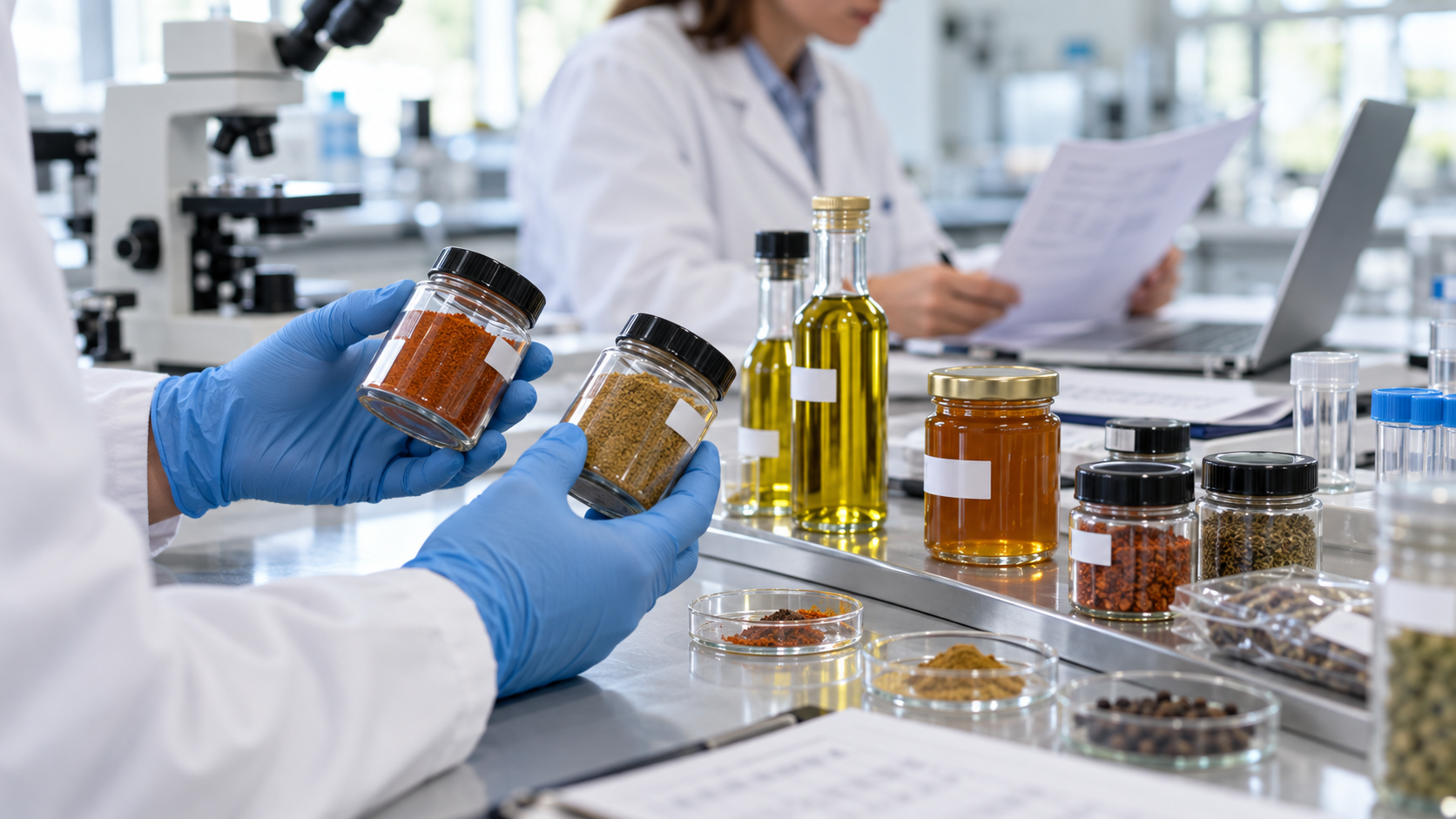
How to assess vulnerability to food fraud and turn it into control decisions
Identifying possible adulteration is the first step, but prevention is only effective when the assessment...

30 Sep 2026
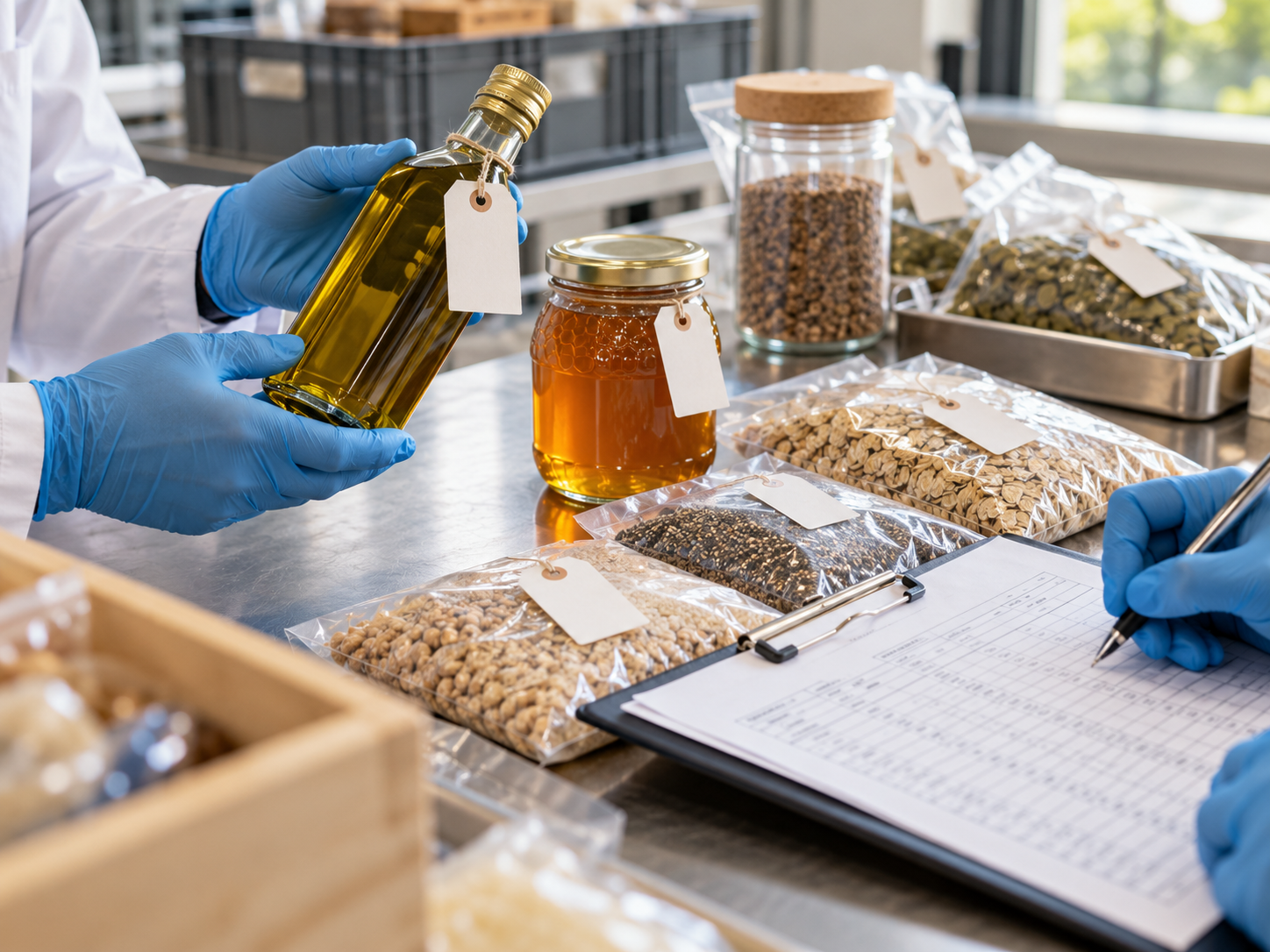
Food fraud: the signals that can anticipate a problem in the supply chain
Changes in price, shortages of raw materials or the entry of new intermediaries can alter...

30 Sep 2026
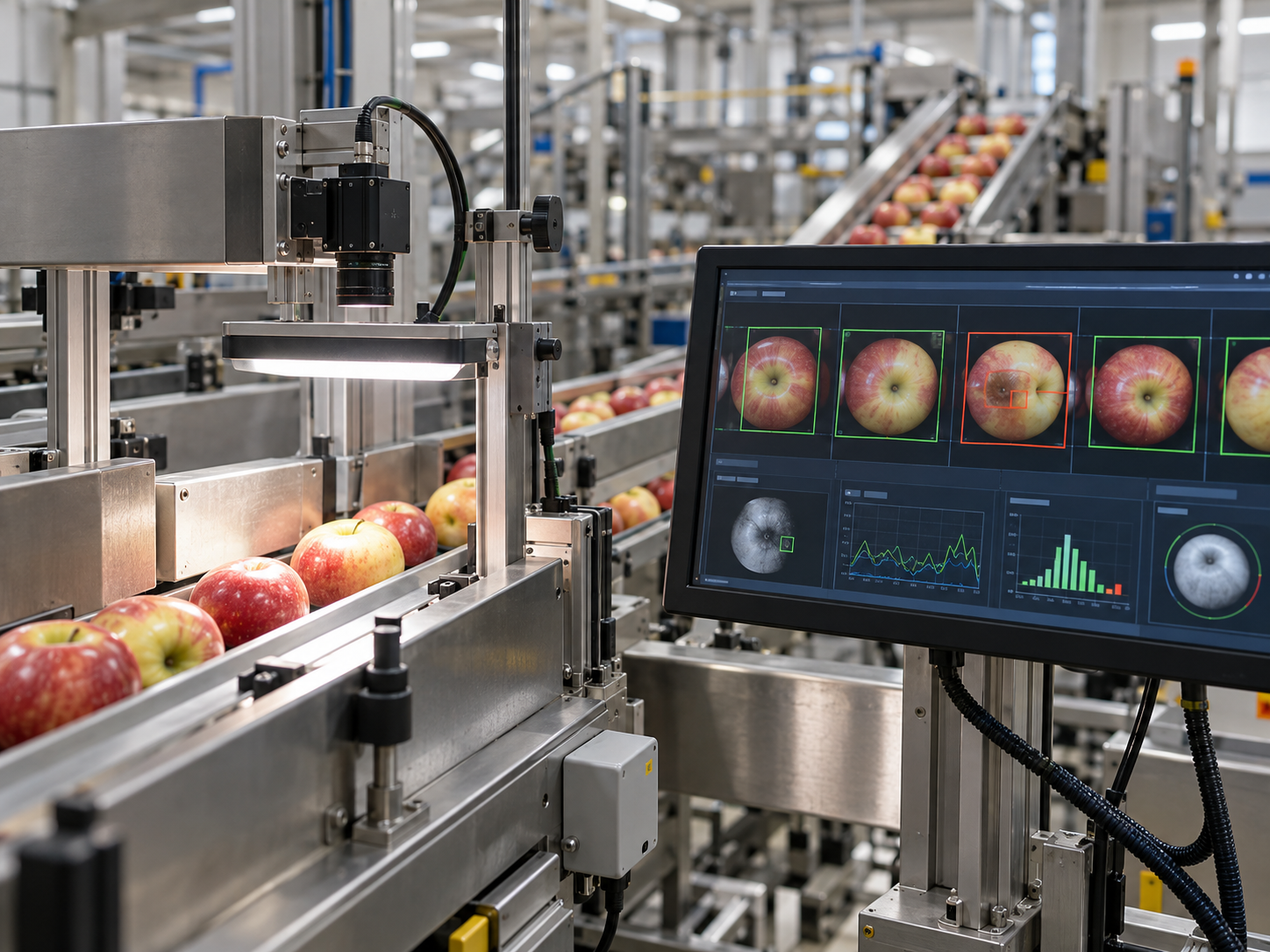
Artificial intelligence in the food industry: what your company needs before getting started
Artificial intelligence can help you improve processes, analyse information and support decision-making in the food...
25 Sep 2026
Sustainable Consumption Law: are companies prepared for the new regulatory landscape on greenwashing?
Sustainability is undergoing a profound regulatory transformation in the EU, moving from an element of...
22 Sep 2026
The European Commission will step up food controls in 2027: what does this mean for industry and what opportunities does it create?
The European Commission, through the Directorate-General for Health and Food Safety (DG SANTE), has published...


17 Sep 2026
PFAS in food: limits, exposure and analytical control
The persistence of perfluoroalkyl and polyfluoroalkyl substances (PFAS) promotes their dispersion in the environment and...

16 Sep 2026
What are PFAS: presence in the food chain, risks and European regulations
Perfluoroalkyl and polyfluoroalkyl substances, known as PFAS, form a broad family of synthetic compounds used...

15 Sep 2026
PFAS in food packaging and PPWR: limits, analysis and alternatives
The European Packaging and Packaging Waste Regulation, known as the PPWR, introduces specific limits for...


14 Sep 2026
How to reformulate a food without losing acceptance: keys to assessing sensory impact
Reformulating a food can respond to very different objectives: improving its nutritional profile, replacing ingredients,...

10 Sep 2026
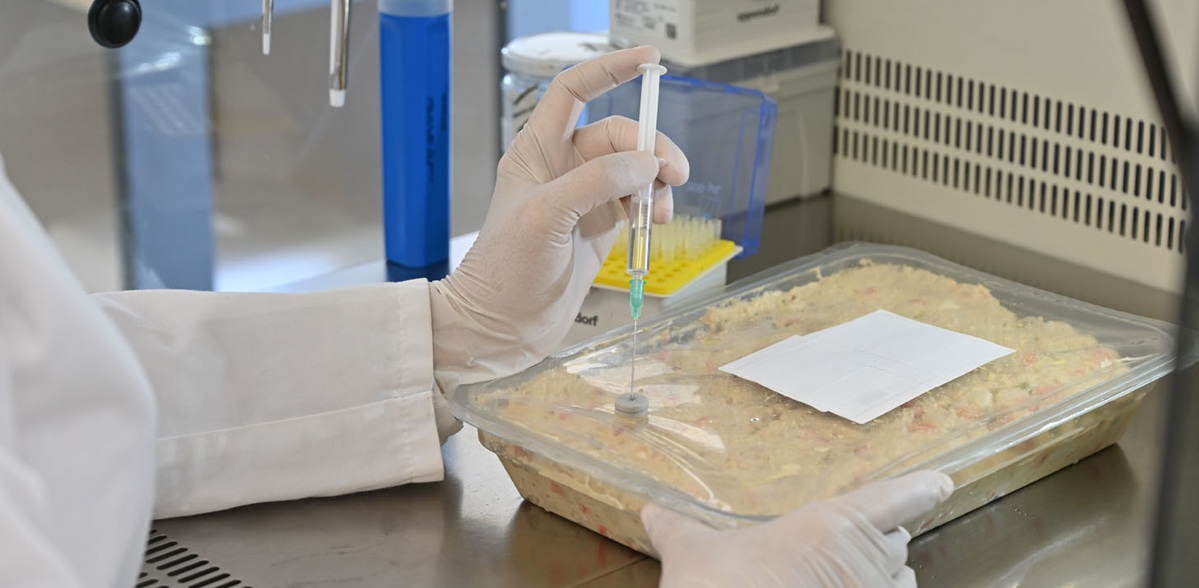
Shelf-life studies: how to turn food stability into safety, quality and innovation decisions
The shelf life of a food is the period during which a product maintains acceptable...
09 Sep 2026
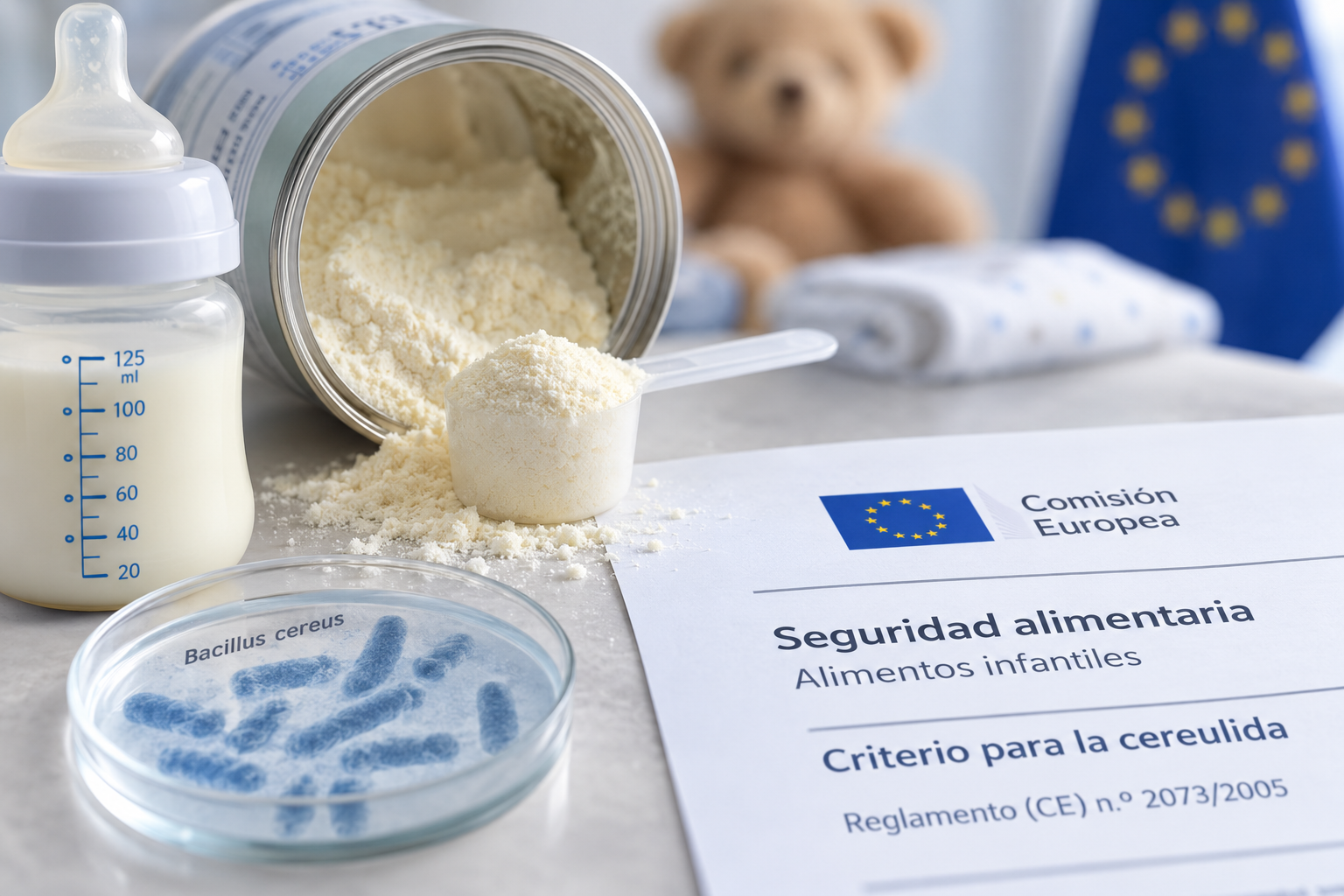
The European Commission proposes a new food safety criterion for cereulide in infant foods
The EU is working on new legislation to establish additional controls for infant formula and...
08 Sep 2026
PFAS regulations in the EU: current restrictions and upcoming changes
EU regulation of perfluoroalkyl and polyfluoroalkyl substances (PFAS) is evolving rapidly. Companies need to be...


11 Aug 2026
How to prepare packaging for the new European regulatory landscape
12 August 2026 marks an important milestone for the packaging value chain with the general...

06 Aug 2026
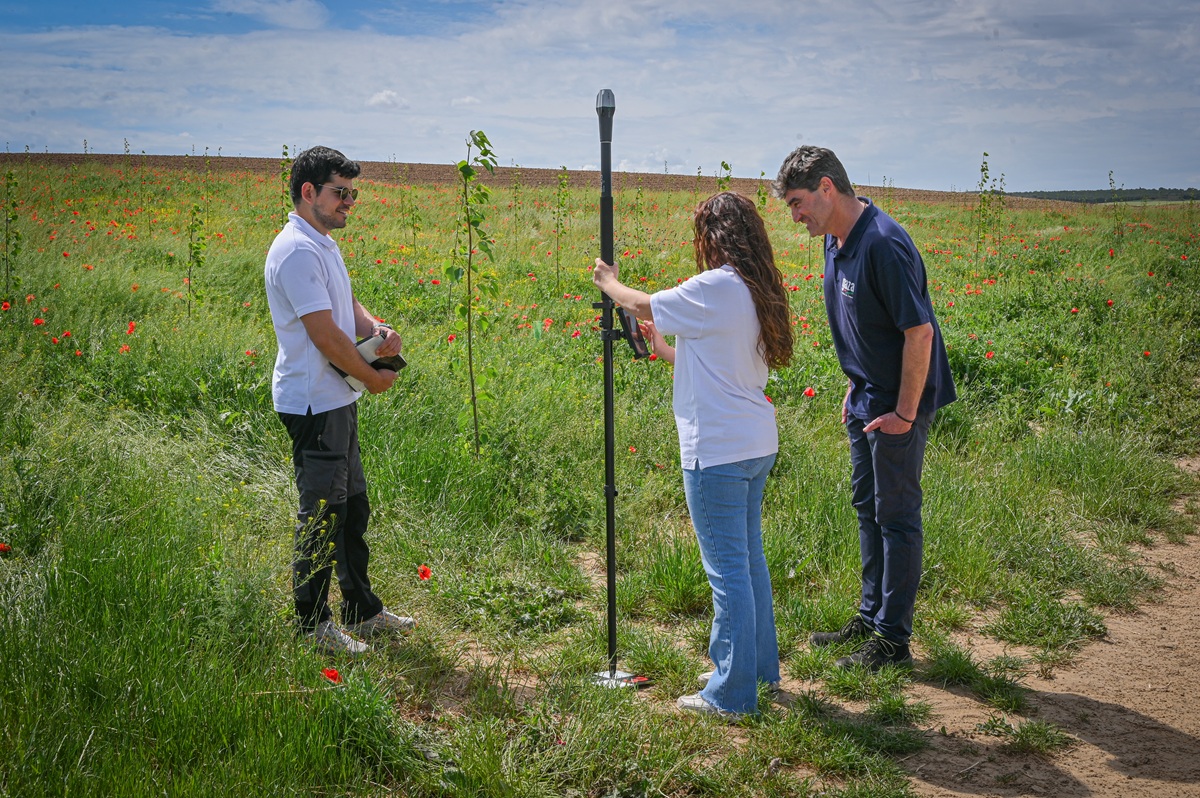
Remote sensing to monitor carbon in agroforestry systems
In the European INNO4CFIS project, together with our partners, we have combined multispectral drones, mobile...
04 Aug 2026
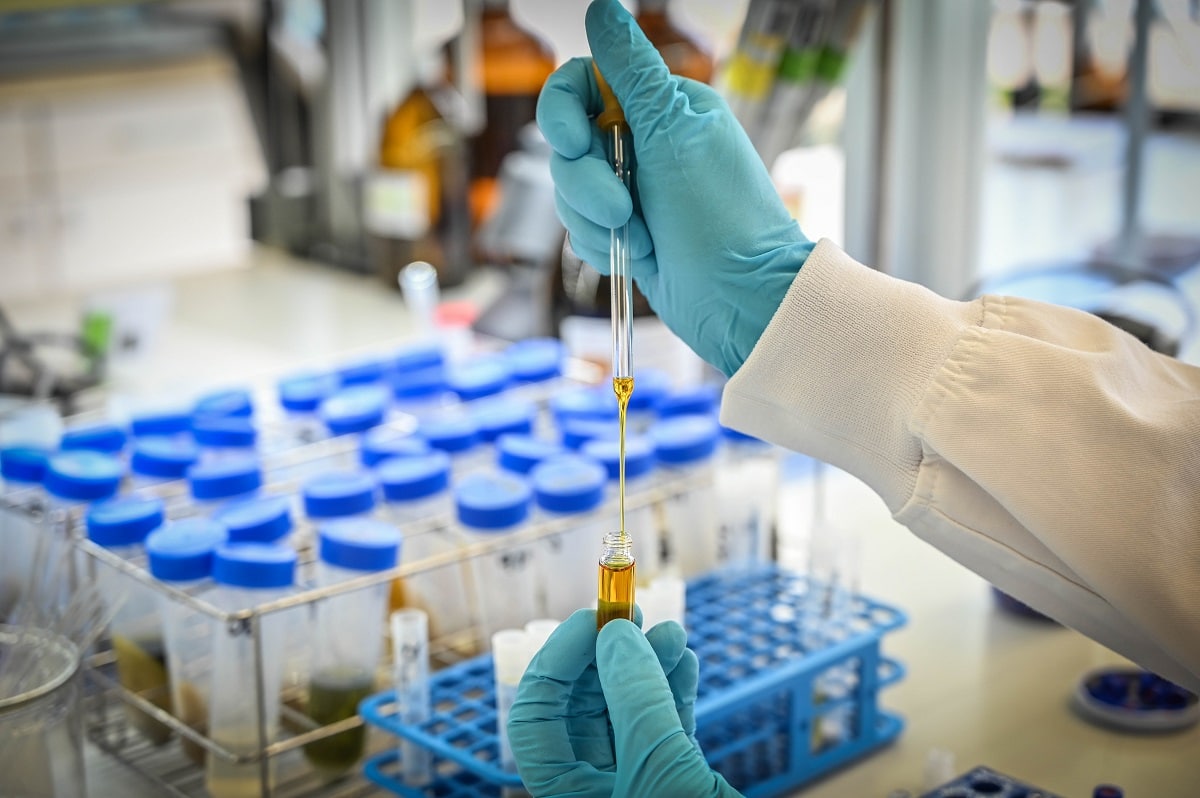
Food packaging safety: the role of the laboratory in the new regulatory scenario
The general application of the European Packaging and Packaging Waste Regulation, known as the PPWR,...
03 Aug 2026
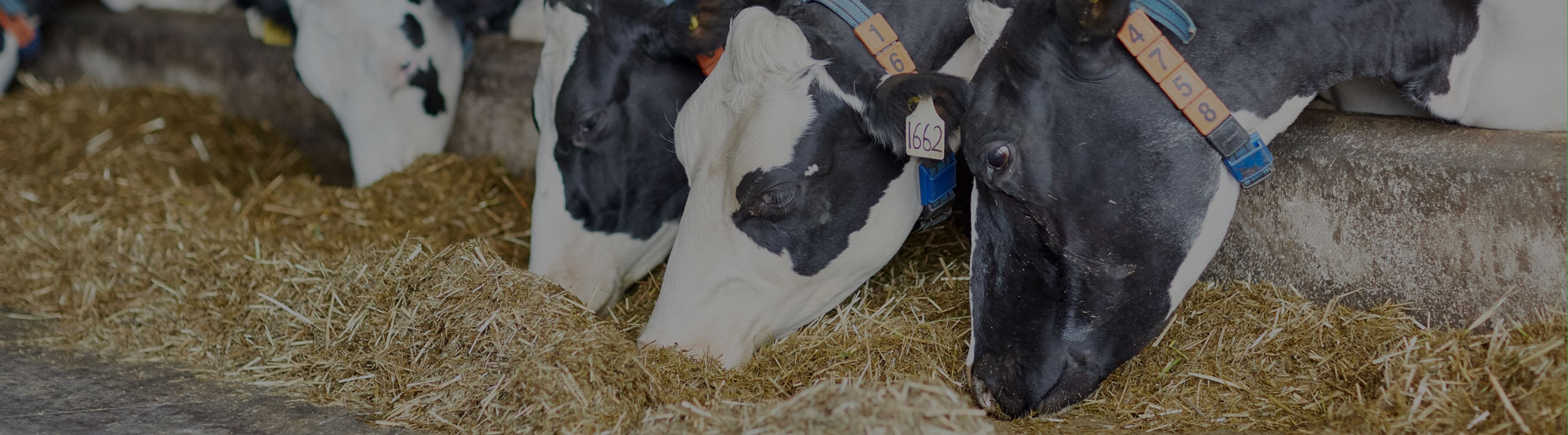
Contaminants in feed: new EU measures for monitoring pyrrolizidine alkaloids, ergot alkaloids and PFAS
The European Commission has published three recommendations aimed at strengthening the monitoring and collection of...
03 Aug 2026
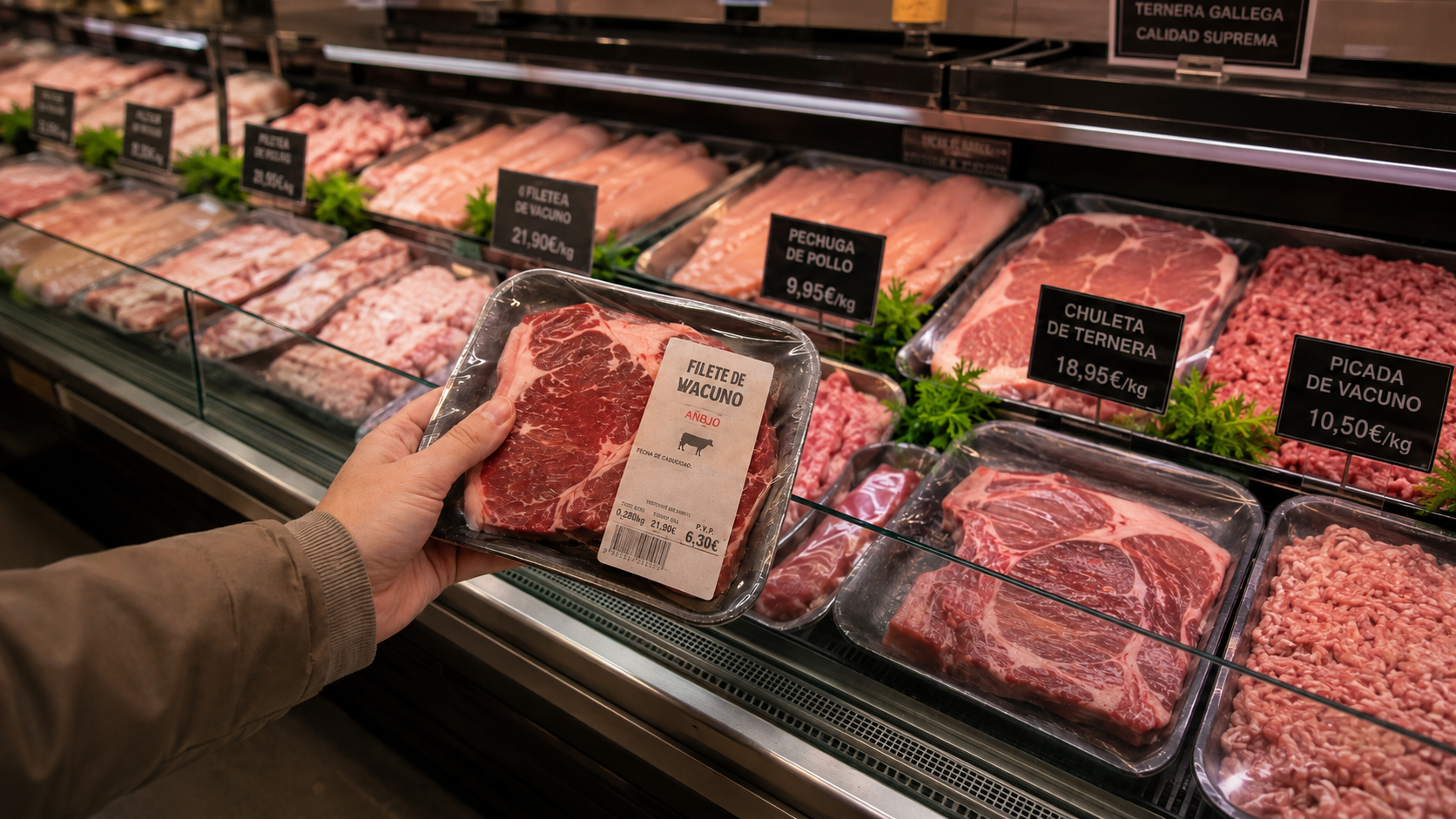
Meat product names in the EU: what companies should review before 2029
On 29 July 2026, Regulation (EU) 2026/1739 was published, a regulation amending Regulations (EU) No...